
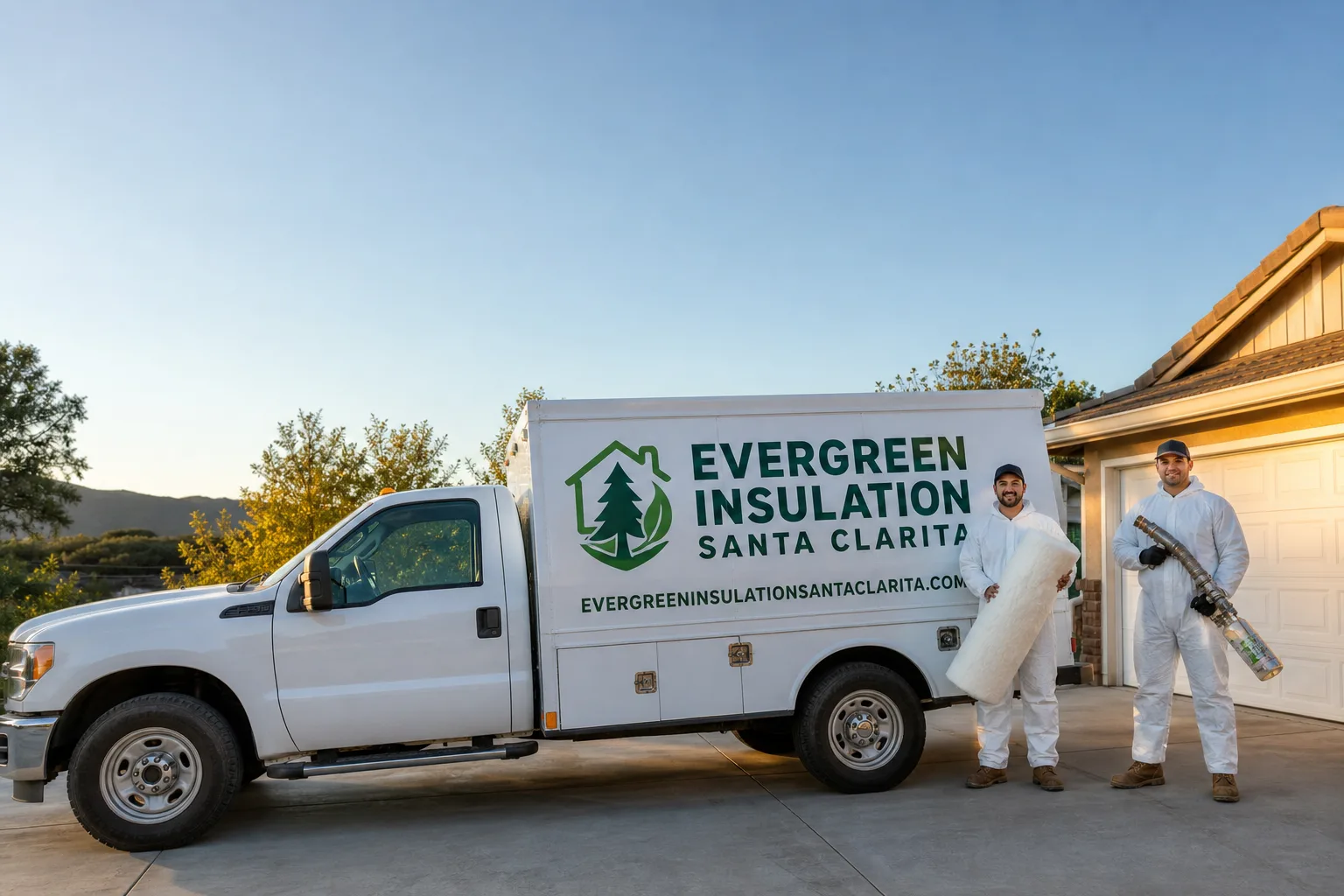
Fast, Reliable Crawl Space Encapsulation & Vapor Barrier Across Hidden Hills
Crawl space encapsulation in Hidden Hills typically runs $8,000–$22,000 depending on square footage, access difficulty, and whether you’re addressing an original 1960s ranch estate or a post-Woolsey Fire rebuild. Most projects take 2–4 days once crews and materials clear the community gate. We know that timeline intimately because we’ve scheduled around this specific gate system for years. Call (661) 669-8515 for a straight answer about your crawl space, not a sales script.
Hidden Hills is different from anywhere else we work. It’s a fully gated, deed-restricted equestrian community where every contractor who shows up has to be pre-registered, every delivery truck has to be cleared, and every material drop has to be coordinated before it reaches the guard booth. You already know this from any contractor you’ve hired. What you may not know is how badly an under treated crawl space affects these particular homes. The ranch-style estates here, many built in the 1960s and 1970s, sit on pier-and-beam foundations with original fiberglass batts that were never designed to handle moisture from the western San Fernando Valley’s thermal basin effect. Summer afternoons pushing 105°F with no marine layer relief means the soil around your foundation stays warm and dry-baked, but winter nights dropping into the 30s create condensation cycles that move moisture directly into your crawl space. That moisture migrates up through your subfloor, into custom hardwood floors and wainscoting, and you see cupping and warping long before you’d ever think to look under the house.
Rob Callahan owns Evergreen Insulation and personally oversees every crawl space project we take on in Hidden Hills. When you call, you’re talking to the person who will walk your property, look under your house, and tell you what’s actually happening down there. No middleman, no estimator who hands the job to a crew that never met you.
Why Evergreen Insulation Santa Clarita Is Hidden Hills’s Preferred Crawl Space Encapsulation & Vapor Barrier Company
We’ve earned trust in Hidden Hills the hard way: by respecting the gate system, showing up when we say we will, and doing work that holds up under this community’s specific conditions. You don’t build a reputation in a gated community by making homeowners wait at the guard booth for a crew that forgot to get credentialed. You build it by pre-registering your installers and material deliveries separately, so the 20-mil vapor barrier roll shows up when it’s supposed to and the crew is already inside working.
Our clients in Hidden Hills tend to ask the same three things: Will this actually stop the moisture? Will it change how my house smells? And will my floors stop moving? We answer all three honestly. Some crawl spaces need full encapsulation with a dehumidifier. Some need targeted vapor barrier work and ventilation corrections. We assess before we recommend. That’s the diagnostic-first approach Rob has built this company around, and it’s why homeowners here trust us with properties that routinely exceed 5,000 square feet under roof.
We’re a full-lifecycle Crawl Space Encapsulation & Vapor Barrier contractor, meaning we remove old or compromised insulation, clean and rodent-proof the space, then install the new system. Many companies only do the install. In Hidden Hills, where original pier-and-beam footings have gaps you could slide a hand through, skipping the cleanout and sealing step means you’re putting a new vapor barrier over a mess. We don’t do that.
Our Crawl Space Encapsulation & Vapor Barrier Services in Hidden Hills
Here’s what we actually do under Hidden Hills homes, and what each service means for your property specifically.
Crawl Space Vapor Barrier
A vapor barrier in Hidden Hills isn’t optional once you understand what’s happening under these ranch estates. We install 20-mil reinforced polyethylene across the entire crawl space floor, lapped and sealed at every seam, and secured up the foundation walls. In older Hidden Hills homes with original pier-and-beam construction, we pay particular attention to the gaps around footings where soil gases and radon can seep up. A properly installed vapor barrier stops that migration at the source, before it reaches your subfloor and the custom finishes above it.
Crawl Space Encapsulation
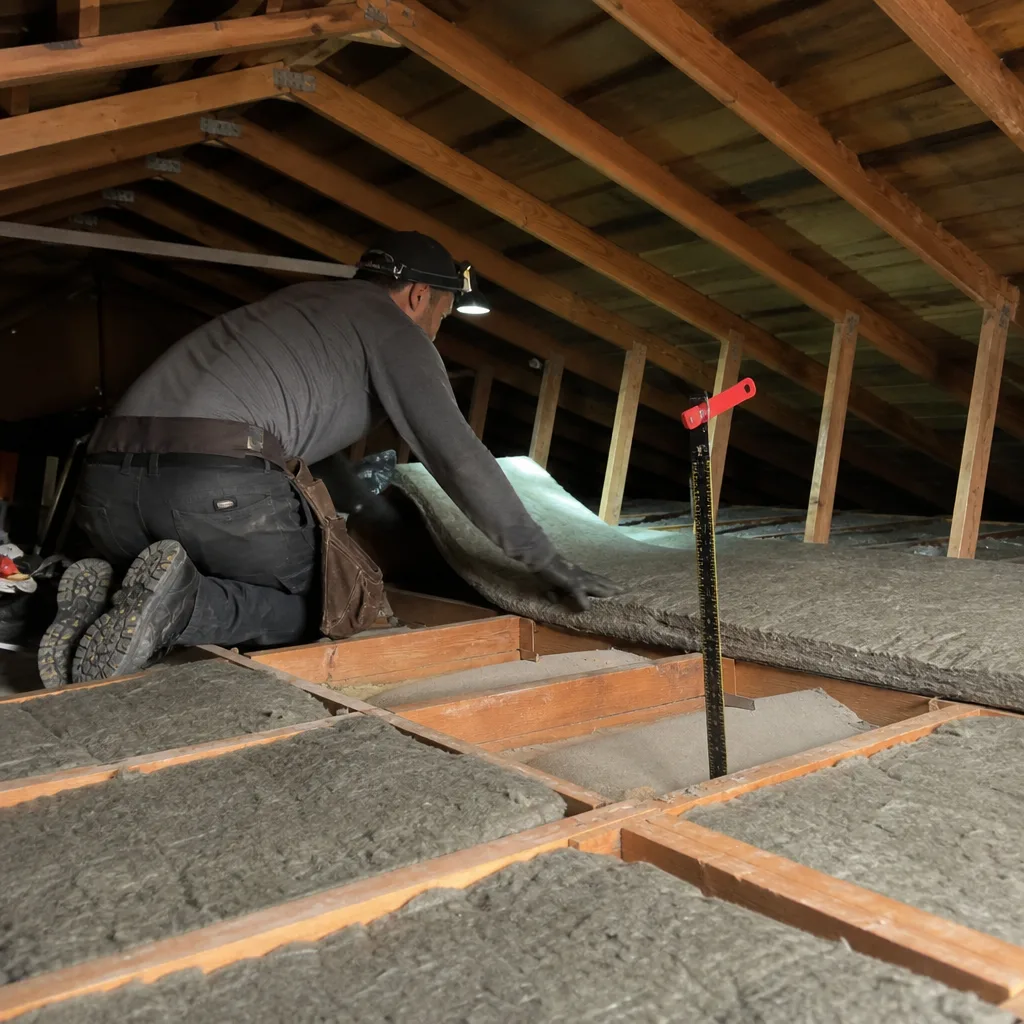
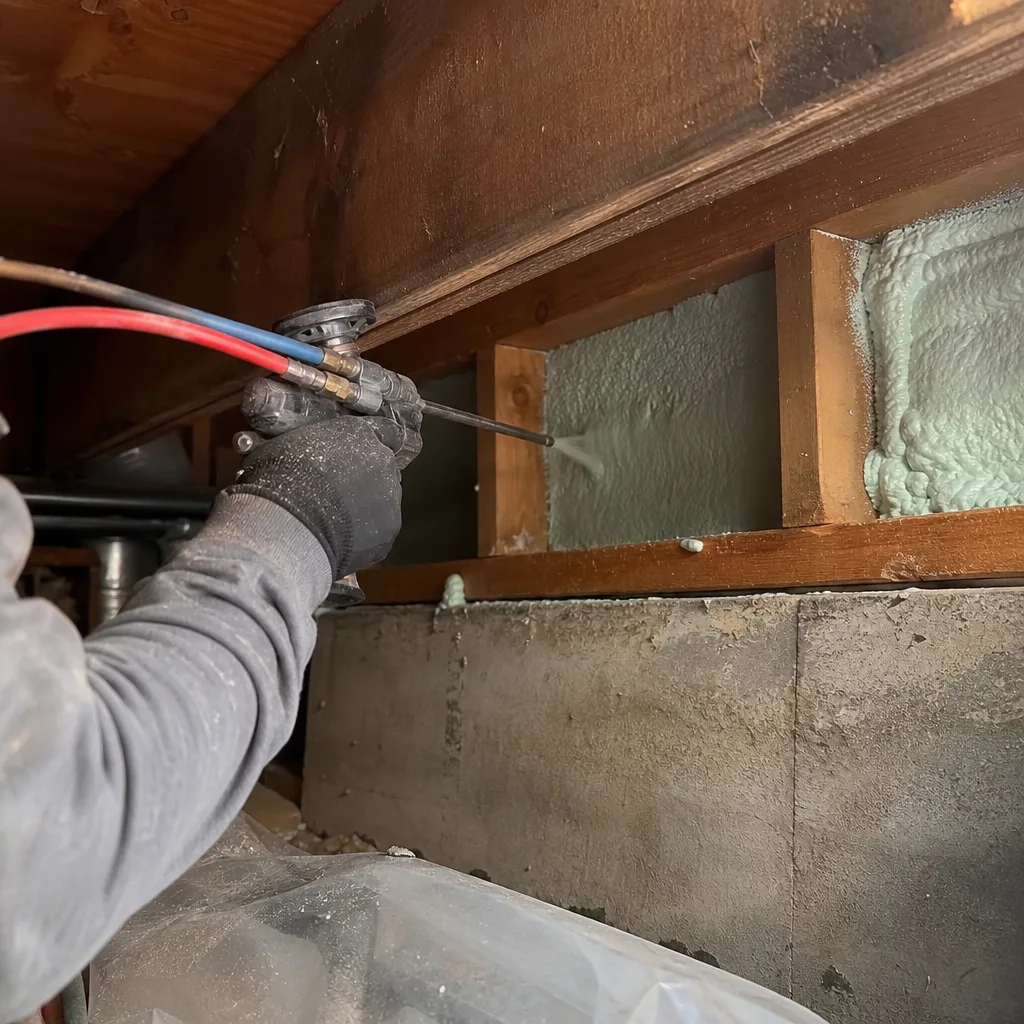
Full encapsulation goes further than a vapor barrier alone. We seal the entire crawl space: floor, foundation walls, and vents. On a sprawling 1960s ranch estate in Hidden Hills, our crew encapsulated a 2,400-square-foot crawl space beneath a home with cathedral ceilings and original fiberglass batts. We installed a 20-mil reinforced vapor barrier, sealed foundation vents with Owens Corning foam board, and added a Santa Fe dehumidifier. That’s the kind of clean, conditioned space those custom finishes upstairs deserve. For Hidden Hills homeowners with post-Woolsey Fire rebuilds, encapsulation is often the difference between a smart-home that monitors healthy air and one that flags humidity issues constantly.
Crawl Space Insulation
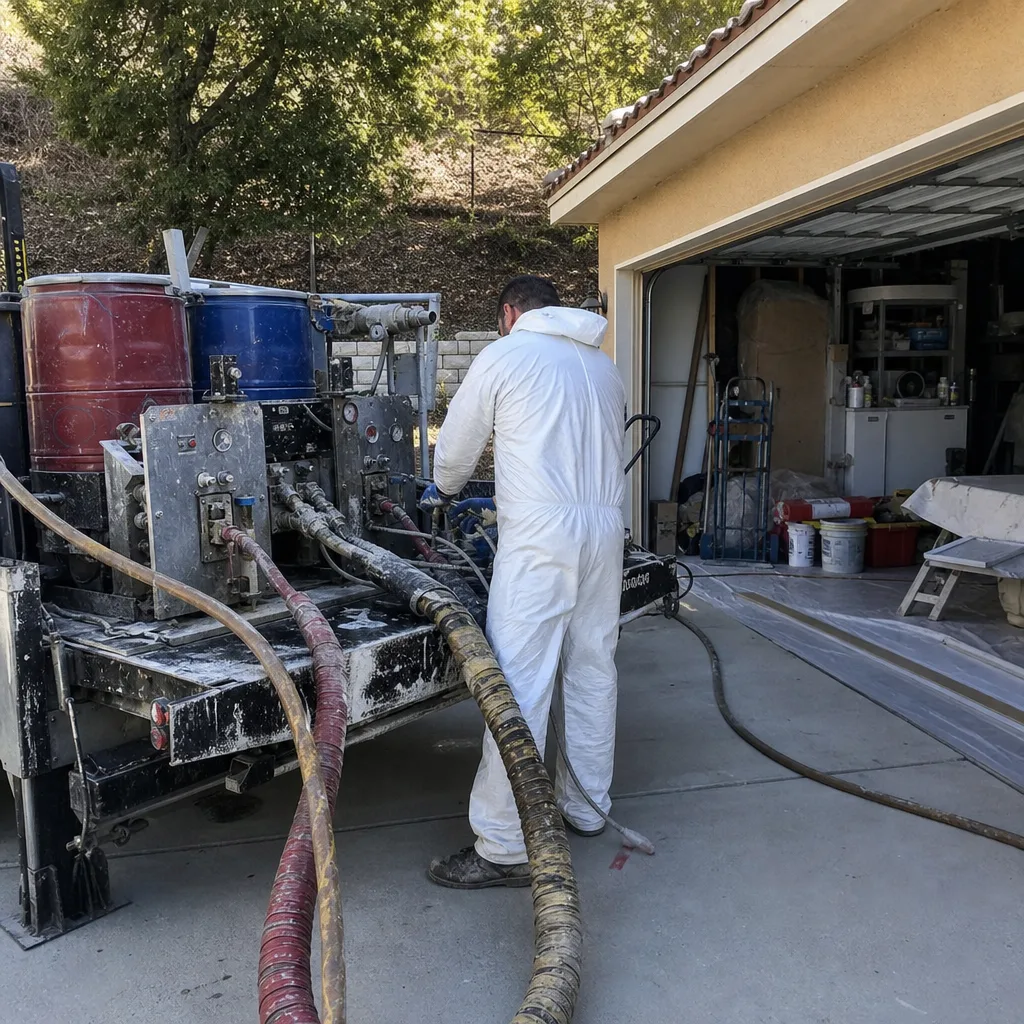
We install fiberglass and mineral wool insulation in Hidden Hills crawl spaces where conditioned air matters. Rockwool is a strong fit for many of these properties because it resists moisture, doesn’t support mold growth, and holds its R-value even when humidity spikes. For encapsulated crawl spaces, we typically insulate the foundation walls rather than the floor joists, which brings the space inside the home’s thermal envelope. That’s the “seal the whole envelope” approach we use across attic, wall, and crawl space zones.
Crawl Space Moisture Control
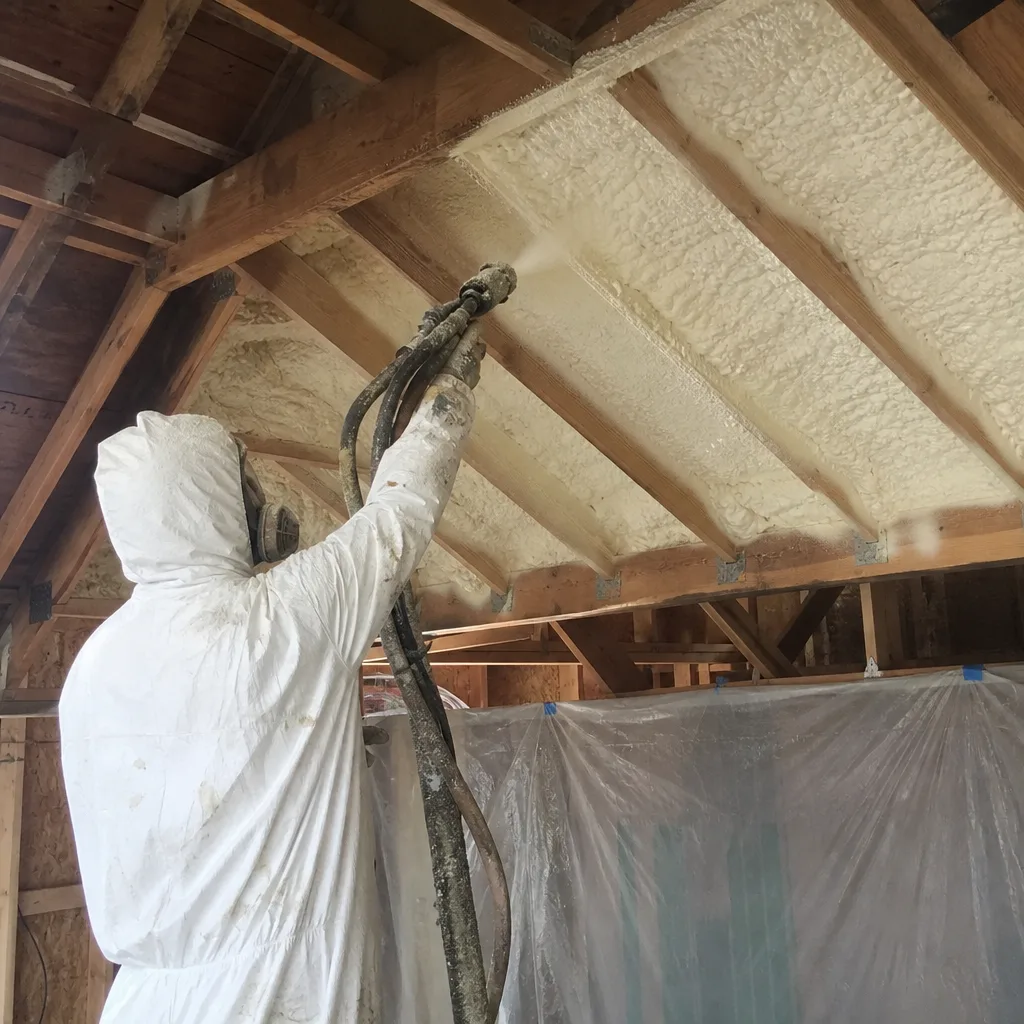
Moisture control is the diagnostic piece most Hidden Hills homeowners miss. The thermal basin effect here creates wide temperature swings: 100°F-plus summer afternoons and 30°F winter nights. That means condensation cycles that move soil moisture into your crawl space even when it hasn’t rained in months. We install dehumidifiers sized to the actual square footage, air seal the sill plate, and correct any grading or drainage issues we can see from under the house. The goal is simple: a dry crawl space that stays dry year-round.
What happens when you call
- 1
A real person answersNo phone trees — you reach a local pro.
- 2
You get an upfront price rangeHonest numbers before anyone is dispatched.
- 3
A background-checked tech heads outLicensed & insured, dispatched right away.
- 4
You approve before work beginsNothing starts until you say go.
Trusted Brands We Service in Hidden Hills
We stock and specify eight material brands so the spec fits the home, not our inventory. For Hidden Hills properties, that often means Knauf fiberglass for tight joist bays in original ranch construction, Rockwool mineral wool for moisture-resistant foundation wall insulation, and Icynene spray foam for post-Woolsey Fire rebuilds that demand high-R assemblies and Title 24 compliance. We also work with CertainTeed where the homeowner already has a preference. The point is never brand loyalty. It’s matching material to the specific condition under your particular house. That’s the right material for your home’s specific condition, chosen after looking at what’s actually there.
Common Crawl Space Encapsulation & Vapor Barrier Problems We See in Hidden Hills Homes
- Cupping and warping in custom hardwood floors. Untreated crawl space moisture migrates into the subfloor and then into the flooring above it. Hidden Hills homeowners with hand-scraped oak or wide-plank walnut notice this fast, because there’s no baseboard gap hiding movement on high-end floors.
- Radon and soil gas seepage through original pier-and-beam footings. Inadequately sealed vapor barriers in older ranch crawl spaces leave gaps around footings that were poured six decades ago. Radon doesn’t care how nice the house is above it, and it moves through those gaps silently.
- Sealed but humid crawl spaces from rushed encapsulation jobs. Rushed encapsulation without dehumidification creates a sealed but humid space. That’s worse than leaving it open, because mold now has a dark, damp, closed environment to grow in, and your indoor air quality suffers in a tightly built smart-home estate.
- Gate-access scheduling failures that stall projects mid-stream. A truck full of vapor barrier sitting at the guard booth costs real money. We pre-register crews and material deliveries separately so the work flows without the stop-start that plagues Hidden Hills projects.
Pricing for Crawl Space Encapsulation & Vapor Barrier in Hidden Hills, CA
Here are the numbers, because you deserve a straight answer. A vapor barrier alone in Hidden Hills runs $4,000–$9,000 for a typical 1,500–2,500-square-foot crawl space. Full encapsulation with dehumidifier typically lands between $10,000 and $18,000. Larger ranch estates with 2,500-plus square feet of crawl space and difficult access can reach $22,000, especially when we’re removing old fiberglass batts and rodent-proofing before installing the new system. Crawl space insulation add-ons run $2,500–$6,000 depending on material and square footage. What moves the price: access clearance (some Hidden Hills crawl spaces have as little as 18 inches of clearance), moisture damage already present, and whether you need a dehumidifier sized for the space. Call (661) 669-8515 for a free estimate. Rob will come look and give you a real number, not a range with a “but.”
We Also Serve Cities Near Hidden Hills
Evergreen Insulation Santa Clarita provides Reflectix service in Hidden Hills, along with Santa Clarita, Calabasas, Agoura Hills, and Beverly Hills. Our primary shop is in Santa Clarita, which puts us close enough to Hidden Hills for same-week scheduling and fast response when your crawl space needs attention now. The gates slow down contractors who aren’t used to them; we’re used to them.
Serving Hidden Hills, CA — Our Local Coverage Area
We’re based in the Hidden Hills area and know this community well. Use the map below to see our service coverage — if you’re nearby, we can almost certainly help.
FAQs — Crawl Space Encapsulation & Vapor Barrier in Hidden Hills
We pre-register our install crew and material deliveries separately with the Hidden Hills community gate, which means our crew is cleared before they arrive and the vapor barrier rolls and dehumidifier arrive on a separate approved delivery window. This is not optional. Every contractor entering Hidden Hills must clear a staffed gate with no same-day access, so planning is everything. A truck full of 20-mil vapor barrier waiting at the guard booth burns schedule and budget, so we front-load the credentialing and coordinate with your property manager or HOA contact before the job starts. Call (661) 669-8515 to get on our Hidden Hills schedule.
For most original Hidden Hills ranch estates built in the 1960s and 1970s, crawl space encapsulation is a necessity once you see what’s happening down there. These homes sit on pier-and-beam foundations with original fiberglass batts that were undersized even when new. Add the thermal basin effect with 105°F summers and 30°F winters, and you get condensation cycles that move soil moisture into the crawl space regardless of whether you water your landscaping or not. The moisture migrates up into custom hardwood floors and wainscoting. By the time you see cupping, the crawl space has been wet for years.
Yes. Crawl space encapsulation happens entirely under the home, invisible from the exterior and from every living space. We access the crawl space through existing entry points, and nothing about the ranch aesthetic changes: no new vents, no exterior equipment, no visible intrusion. Inside the crawl space, we seal and condition the space itself, which protects the architecture above it by stabilizing the subfloor and preventing the moisture that would eventually warp framing members. The ranch look stays exactly as it is.
Title 24 requires specified minimum R-values for crawl space insulation and a Class I or Class II vapor retarder on the crawl space floor when the space is not actively ventilated, and the specific numbers depend on your climate zone and whether the crawl space is encapsulated or vented. In Hidden Hills, post-Woolsey Fire rebuilds are inspected to current Title 24 standards, which means the insulation and vapor barrier have to be documented and verifiable. We typically spec spray foam and high-R assemblies for these projects because they satisfy both the code and the homeowner’s expectations for a tight, efficient envelope. Rob can review your plans and tell you exactly what your specific rebuild requires.
Yes, it will affect them, and in the right direction. A properly encapsulated and dehumidified crawl space reduces the humidity and particulate load that your smart home’s indoor air quality sensors are monitoring. Many Hidden Hills homeowners see their sensor readings improve within days of encapsulation, because the space under the house is no longer feeding damp air and soil gases into the living envelope. If your sensors have been flagging humidity spikes you couldn’t explain, the crawl space is almost always part of the story. Call (661) 669-8515 and Rob will walk your property and tell you what your sensors are actually picking up on.
Get an Honest Assessment of Your Hidden Hills Crawl Space
Rob Callahan will come to your Hidden Hills property, look under the house, and tell you exactly what’s down there and what it needs. No pressure, no script. If your crawl space is fine, he’ll tell you it’s fine. If it needs work, you’ll get a real number and a plan for doing it right the first time. Call (661) 669-8515 for a free estimate. We’re the Crawl Space Encapsulation & Vapor Barrier contractor Hidden Hills homeowners call when they want the person assessing the work to be the same person doing the work.
Written by Rob Callahan, Owner & Lead Installer at Evergreen Insulation Santa Clarita, serving Hidden Hills and the surrounding communities.