
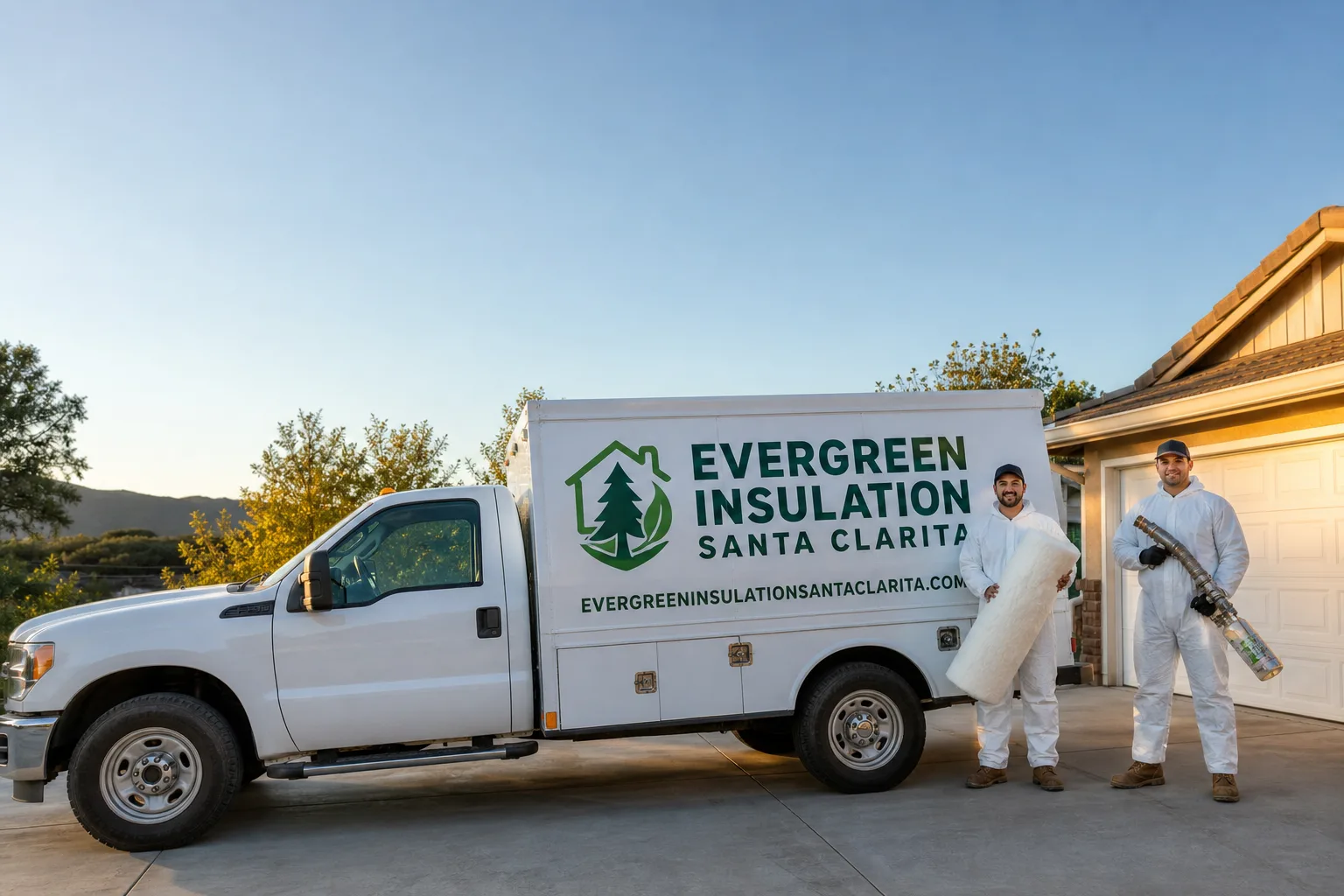
Fast, Reliable Crawl Space Encapsulation & Vapor Barrier Across Santa Clarita
Crawl space encapsulation in Santa Clarita typically runs $4,500 to $12,000 depending on square footage, access, and whether we’re removing contaminated insulation first. Vapor barrier installation alone is usually $1,800 to $3,800. Most jobs in Santa Clarita are completed in one to two days. If you’re noticing musty odors creeping into your living space, buckling hardwood floors, or higher-than-expected cooling bills through summer, the problem is almost always under your feet. Call Evergreen Insulation at (661) 669-8515 for a free crawl space assessment. Rob Callahan, our Owner and Lead Installer, does the evaluation himself, so what you hear on day one is exactly what happens on install day.
Why Evergreen Insulation Santa Clarita Is Santa Clarita’s Preferred Crawl Space Encapsulation & Vapor Barrier Company
We work in crawl spaces across Santa Clarita every week. Saugus, Canyon Country, Valencia, Newhall, Castaic. The housing here was mostly built between 1970 and 2005, and crawl space construction was standard for most of that run. Tract developers who built Valencia and Saugus installed minimal floor insulation and left foundation vents wide open. Fast-forward 30 to 50 years and those vents have let in ash, dust, rodent activity, and a steady supply of soil moisture. We know what a 1980s Valencia crawl space looks like because we’ve been in hundreds of them. Our Crawl Space Encapsulation & Vapor Barrier team doesn’t guess at what your home needs. We inspect first, then recommend.
Rob Callahan is the one showing up. No estimator who disappears after the contract is signed, no rotating crew you’ve never met. That matters when the work is in a space most homeowners never see. We remove old insulation, clean out debris and rodent nesting material, seal vents with fire-rated assemblies where code requires it, install a heavy vapor barrier, and lay new insulation that actually fits the joist bays. One trip, done right.
Our Crawl Space Encapsulation & Vapor Barrier Services in Santa Clarita
Crawl Space Vapor Barrier
A properly installed vapor barrier is the foundation of any crawl space moisture solution in Santa Clarita. Our standard is a reinforced 12-mil polyethylene liner laid across the entire dirt floor, run up the stem walls, and sealed at every seam with mechanical fastening and seam tape. In older Santa Clarita homes where groundwater fluctuates seasonally, we pay special attention to adhesion. Summer heat in the 100s pulls moisture up through Santa Clarita’s clay-heavy soils. A poorly sealed barrier will bubble and peel within two summers. Ours won’t.
Crawl Space Encapsulation
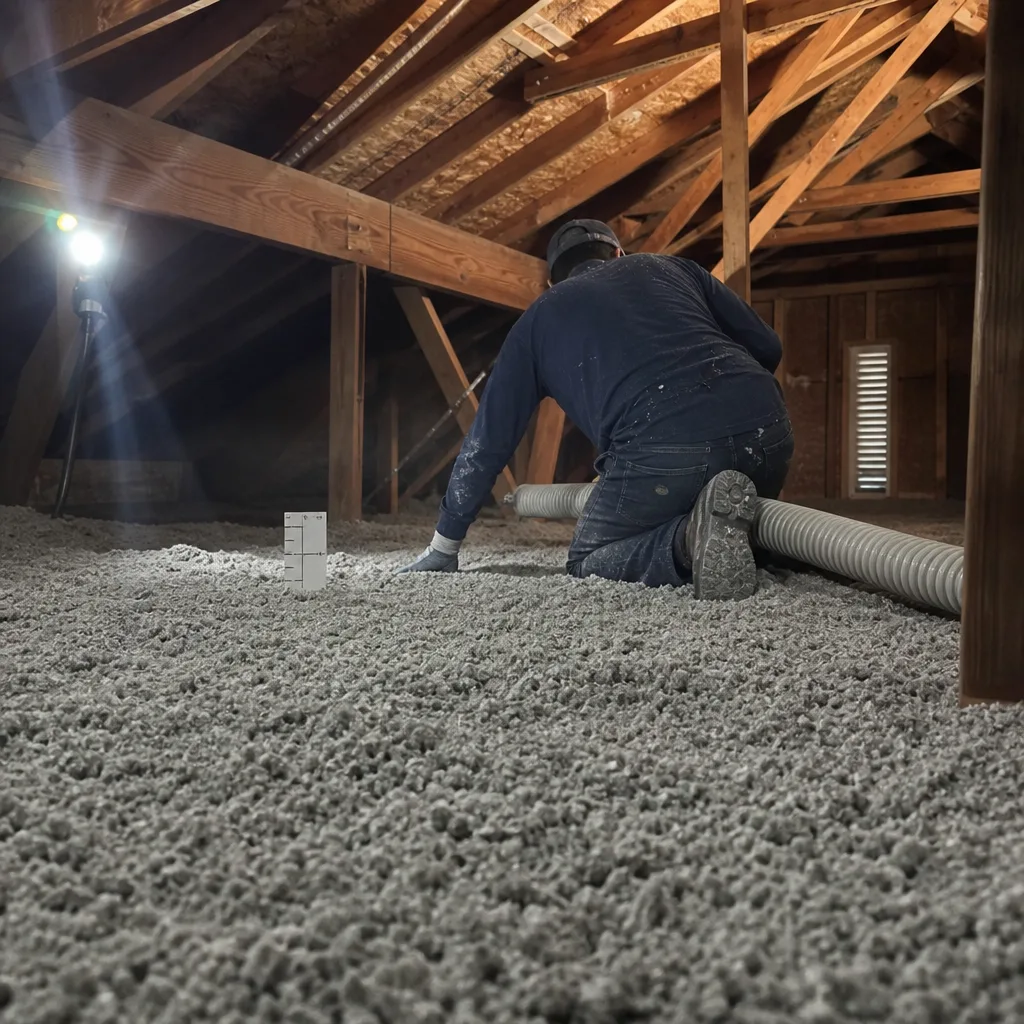
Encapsulation goes beyond a liner. We seal the entire crawl space: floor liner, foundation vents, access doors, and any plumbing or electrical penetrations. In Santa Clarita, that vent sealing work carries extra weight because of our fire zone designation. More on that below. The result is a controlled space that stays dry year-round, keeps pests out, and stops soil gases from migrating into your living area. For homes near open space in Canyon Country or bordering the Angeles National Forest, we routinely add pest-exclusion mesh at any gap a rodent could exploit.
Crawl Space Insulation
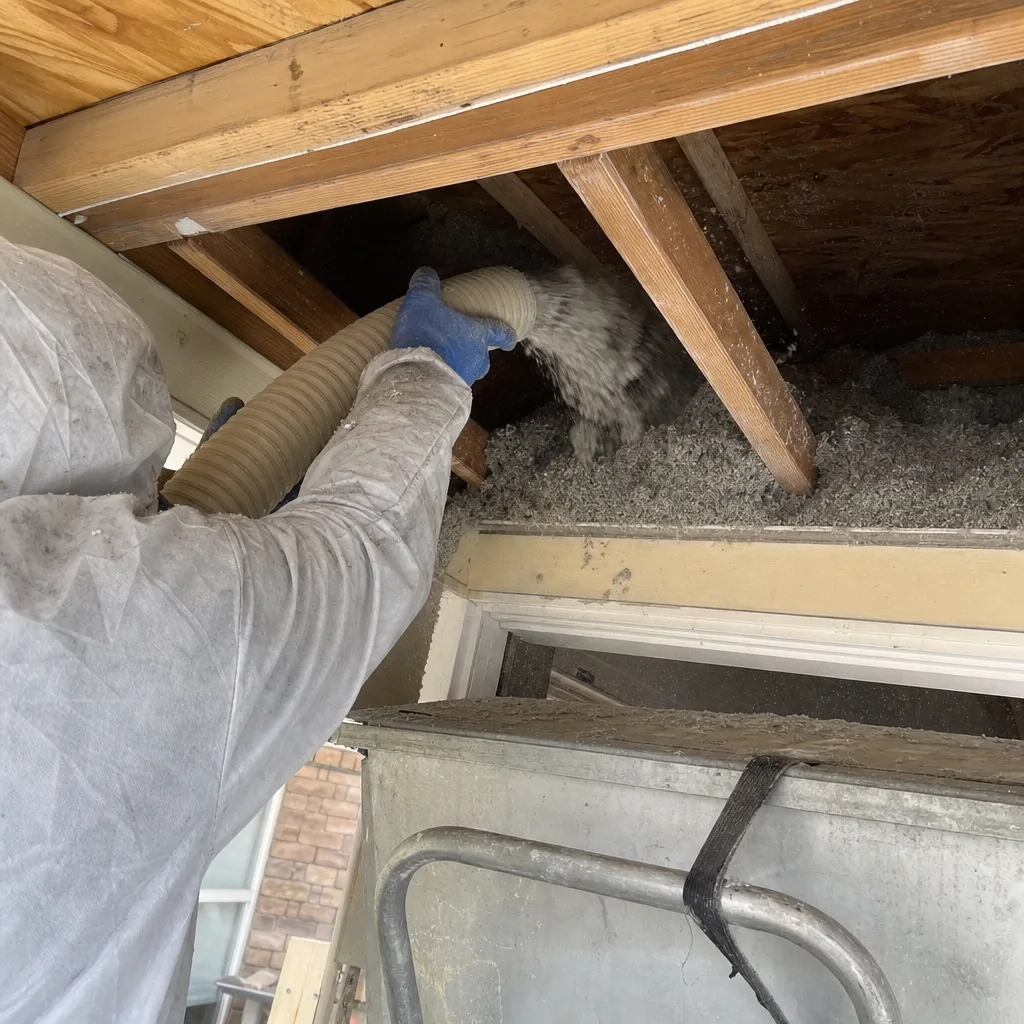
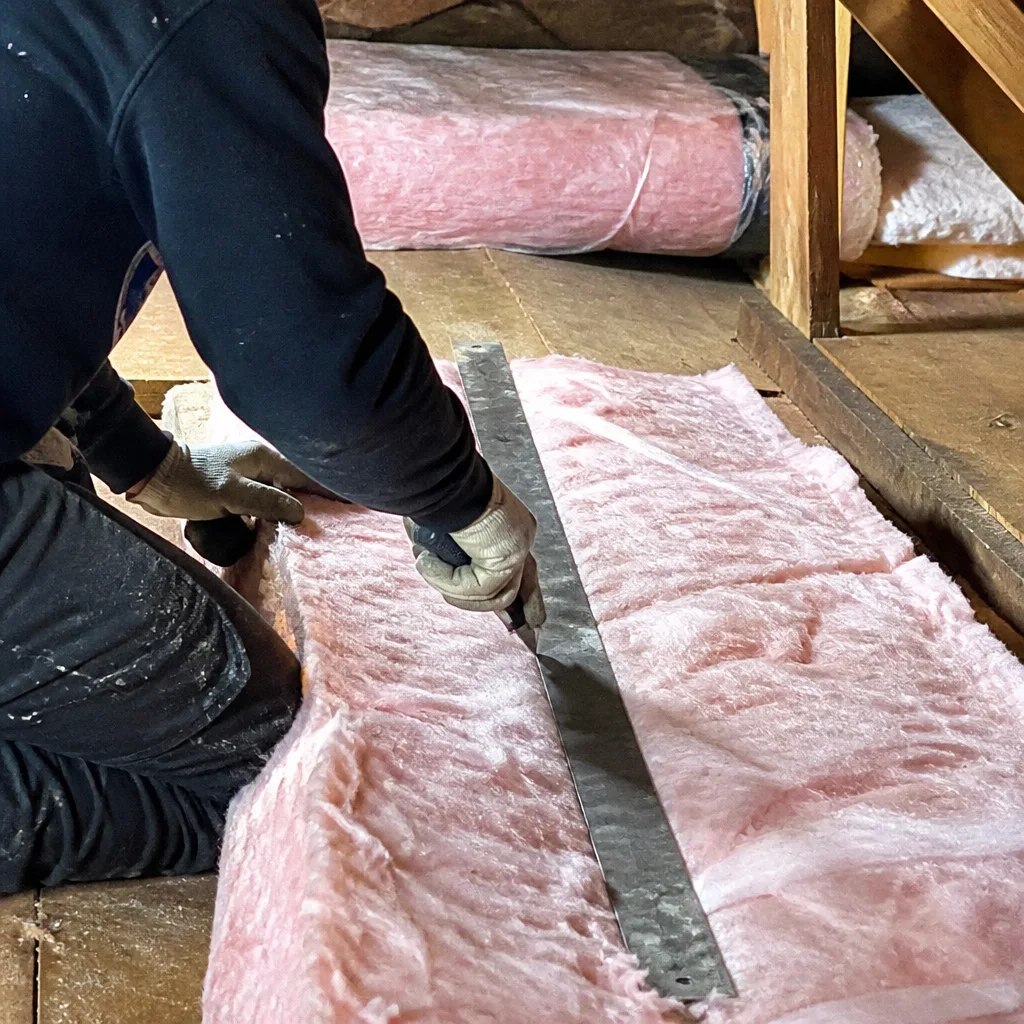
Most Santa Clarita homes built in the 1970s through 1990s have R-11 or R-19 fiberglass batts in crawl space joist bays. On top of being insufficient by today’s standards, those batts are almost always sagging, rodent-nested, or moisture-laden. We remove them, address the moisture source first, then install fresh R-19 or R-30 batts, generally from Owens Corning or Johns Manville. Insulation installed under Valencia’s summer heat load matters: a vented crawl space can hit 120°F by mid-afternoon, and that heat bleeds upward into your floors and living space. After encapsulation, that heat pathway is broken.
Crawl Space Moisture Control
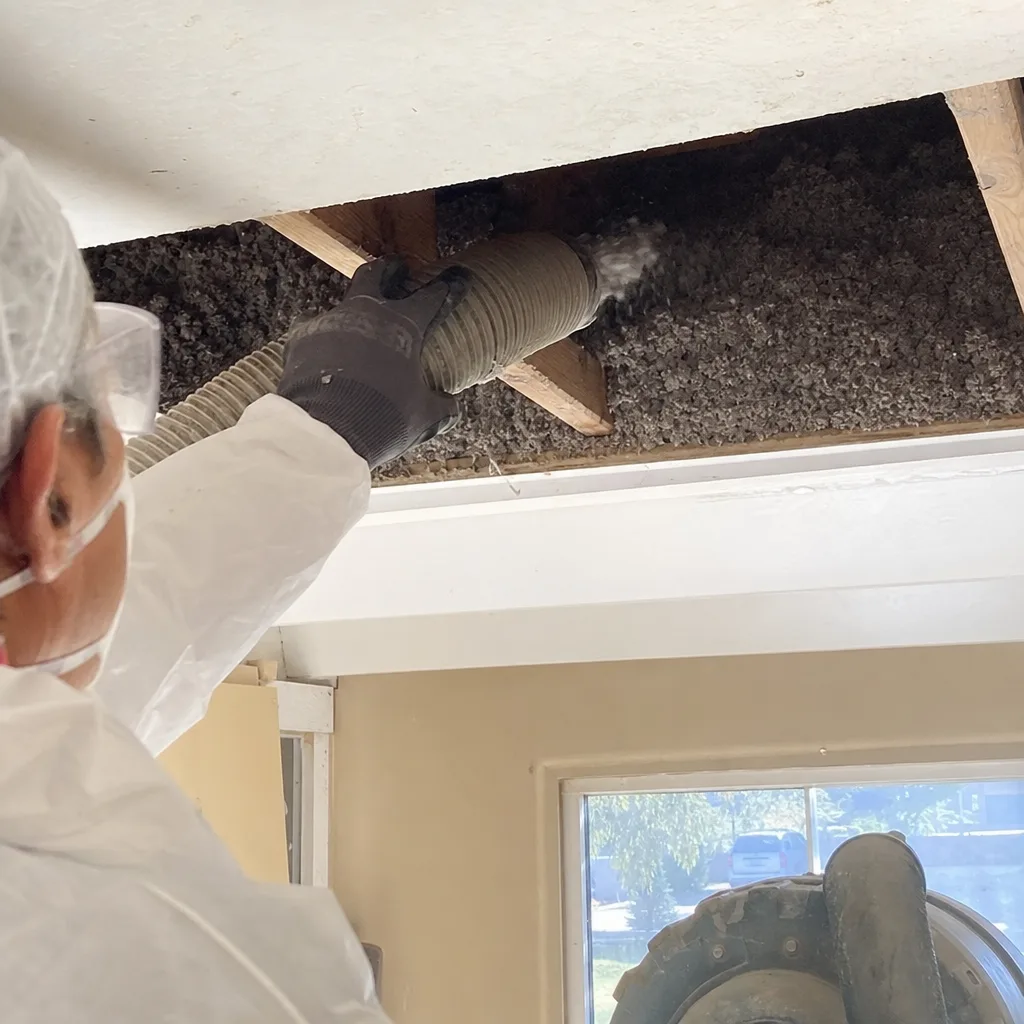
Santa Clarita gets little rain, but moisture problems here aren’t driven by rainfall. They’re driven by soil evaporation, irrigation runoff, and the wide day-night temperature swing that creates condensation along cool surfaces. On a 40-degree overnight swing, exposed ductwork and floor framing collect condensation. That’s how you get mold on subflooring in a place that averages 12 inches of rain a year. Our moisture control approach combines barrier, sealing, and insulation in a single system. We also check for drainage issues around the foundation perimeter in older Newhall and Canyon Country neighborhoods where original grading has settled and directs water toward the house.
What happens when you call
- 1
A real person answersNo phone trees — you reach a local pro.
- 2
You get an upfront price rangeHonest numbers before anyone is dispatched.
- 3
A background-checked tech heads outLicensed & insured, dispatched right away.
- 4
You approve before work beginsNothing starts until you say go.
Trusted Brands We Service in Santa Clarita
We specify materials based on what a given Santa Clarita crawl space actually needs. For vapor barriers, we prefer reinforced polyethylene with a minimum 12-mil thickness and puncture resistance suitable for rocky Santa Clarita subgrade. For insulation, we stock and install Owens Corning, Johns Manville, Knauf, and Rockwool products. Mineral wool from Rockwool is a strong choice for Santa Clarita homes in the Very High Fire Hazard Severity Zone because it’s non-combustible and adds a layer of fire resistance fiberglass can’t match. When we specify CertainTeed, it’s because the specific product fits the application, not because it’s what we happen to have in the truck.
Common Crawl Space Encapsulation & Vapor Barrier Problems We See in Santa Clarita Homes
- Ash-contaminated insulation in fire-adjacent neighborhoods: Successive brush fires, including the 2016 Sand Fire, have left fine ash deposits that drift through foundation vents and settle into fiberglass batts. The ash compacts the insulation and kills its R-value. A top-off won’t fix it. It needs full removal and replacement.
- Bubbling and peeling vapor barriers from summer heat: Clay-dominant soils in Santa Clarita hold water. When outside temperatures push past 100°F, that water moves upward as vapor. If the barrier’s seams and edges aren’t mechanically secured and sealed, it lifts. This is the most common failure we see in 5 to 10-year-old barriers installed by contractors who took shortcuts.
- Standing water in older Newhall and Canyon Country crawl spaces: Pre-1980 home sites often have settled or negative foundation grading. Without a functioning perimeter drain or sump, water pools under the house after irrigation cycles. Encapsulating over standing water traps humidity and causes mold behind the liner. We address drainage before sealing.
- Rusted out vent screens and wide-open foundation vents: Original vent screens on 1970s Santa Clarita homes are usually gone or damaged. That’s the entry point for rodents in the cooler months and ash in fire season. Vent sealing with fire-rated materials solves the issue permanently.
Pricing for Crawl Space Encapsulation & Vapor Barrier in Santa Clarita, CA
Here’s what we tell Santa Clarita homeowners before we walk the property. A vapor barrier alone on a 1,200 square foot crawl space typically runs $1,800 to $3,200. Full encapsulation with vapor barrier, vent sealing, insulation removal and replacement, and air sealing usually lands between $5,500 and $9,500. For larger or older homes with extensive contamination, the number can reach $12,000. What moves the price in Santa Clarita: access height (some older Canyon Country homes have 18-inch crawl spaces that slow everything down), contamination removal, drainage corrections, and the specific insulation material. We give you a written estimate after a free site visit. Call (661) 669-8515 and Rob will walk the space with you.
We Also Serve Cities Near Santa Clarita
Most of our crawl space work happens right here in Santa Clarita, but we regularly take jobs in nearby Stevenson Ranch, Castaic, Acton, and San Fernando. If you’re in an outlying area with acreage or a custom home, the same owner-operated crew handles your project. Distance doesn’t change how we work, just the drive time.
Serving Santa Clarita, CA — Our Local Coverage Area
We’re based in the Santa Clarita area and know this community well. Use the map below to see our service coverage — if you’re nearby, we can almost certainly help.
FAQs — Crawl Space Encapsulation & Vapor Barrier in Santa Clarita
Yes. Santa Clarita sits within a designated Very High Fire Hazard Severity Zone, which triggers Chapter 7A Wildland-Urban Interface requirements under California building code. When we seal foundation vents as part of encapsulation, those materials must be ember-resistant and fire-rated. This requirement doesn’t apply in flatland Burbank or Van Nuys. We handle the code layer for you and specify approved materials without adding unnecessary cost.
No, adding more won’t work. The ash compacts fiberglass batts and reduces their R-value regardless of what’s layered on top. You’d be paying for insulation that can’t perform. We remove all contaminated material, clean the joist bays, seal the foundation vents so future ash can’t enter, and then install new insulation at the correct depth. That’s the only fix that lasts.
Santa Clarita routinely swings 35 to 40 degrees between afternoon highs and overnight lows. That thermal cycling causes condensation on exposed ductwork and framing in vented crawl spaces. In summer, daytime heat pulls moisture upward from the soil; at night, cooling air condenses it on structure. Encapsulation stops the soil moisture source and sealing vents stops the night air exchange. Without both, the condensation cycle continues regardless of insulation quality.
Yes. Valencia summer days hit 100 to 108 degrees, and unencapsulated crawl spaces absorb that heat into the floor system. Your air handler sits in a 120-degree space and works harder than it should. After encapsulation, the crawl space stays much closer to the home’s interior temperature, duct losses drop, and the cooling load on your system decreases. Many Valencia homeowners notice the difference in their first post-encapsulation summer bill.
Look for a reinforced 12-mil or heavier liner, because older Newhall crawl spaces often have rocky or uneven subgrade that punctures thinner material. You also need an installer who will check drainage before laying plastic, since many older Newhall sites need perimeter drain correction first. And make sure the contractor seals seams mechanically, not just with tape. We specify all three as standard on older Santa Clarita crawl spaces.
Written by Rob Callahan, Owner & Lead Installer at Evergreen Insulation, serving Santa Clarita and the surrounding communities.