
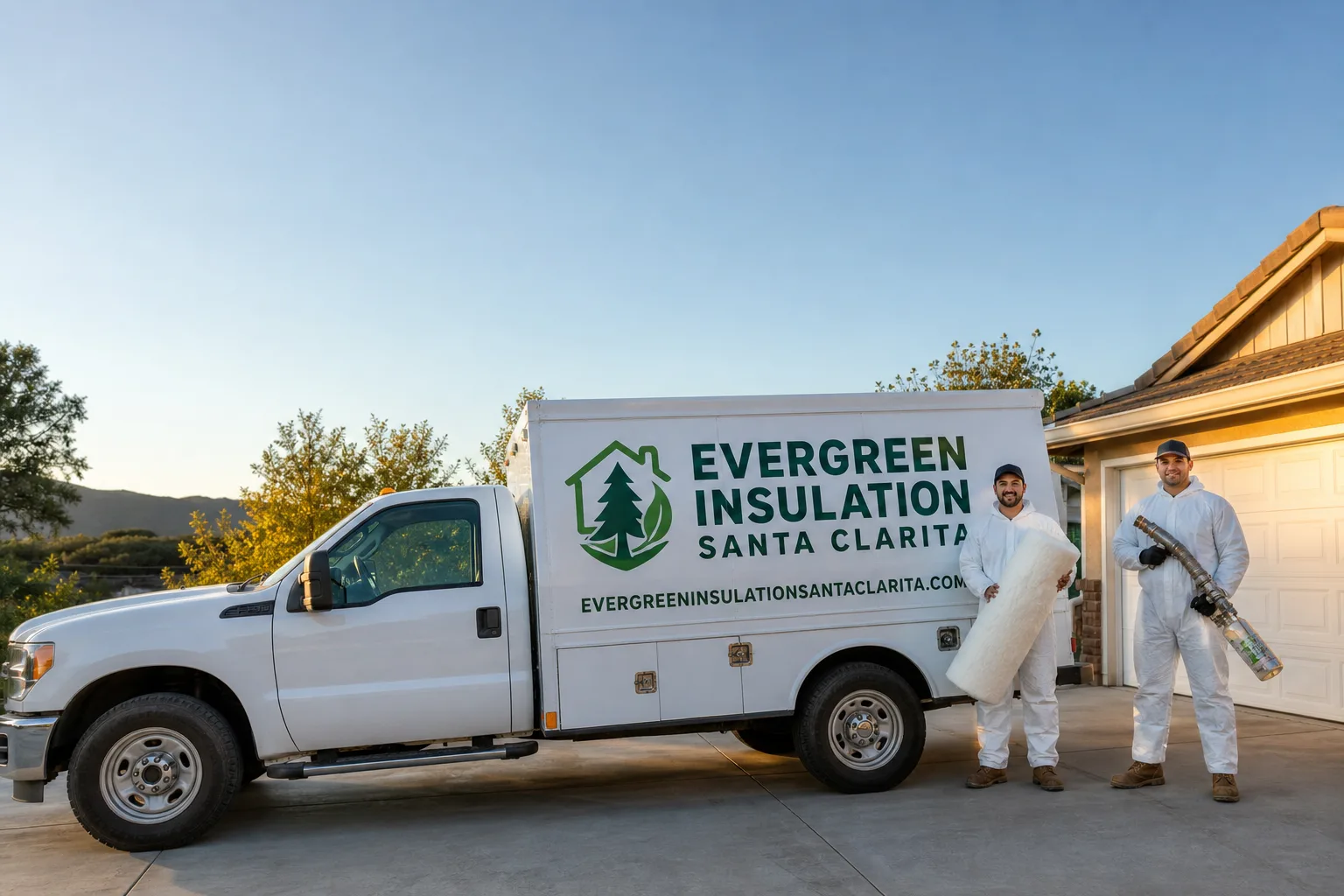
Fast, Reliable Attic Insulation Across Calabasas
Attic insulation in Calabasas costs $1,800 to $6,200 for a full replacement in a typical 4,000–6,000 sq ft custom home, while a blow-in top-up over settled existing insulation runs $900 to $2,400. Most jobs are completed in one day, and we schedule most Calabasas estimates within 48 hours. If your summer cooling bills have spiked and certain rooms never seem to hold temperature, the attic is usually where the problem starts. Call us at (661) 669-8515 and we’ll tell you exactly what’s going on up there.
Why Evergreen Insulation Santa Clarita Is Calabasas’s Preferred Attic Insulation Company
Rob Callahan, our owner and lead installer, has worked on custom and semi-custom homes throughout The Oaks, The Estates, and the Mulholland corridor. What homeowners consistently tell us is that the person who assessed their attic is the same person installing the material. No sales rep passing notes to a crew you’ve never met. No “the estimator said one thing, the installers did another.” Rob assesses the home, specs the material, and is on-site running the work himself. That’s the whole model.
We also understand what Calabasas attics actually look like. Vaulted ceilings, recessed lighting everywhere, tile roofs with soffit channels that were never properly baffled in the original build. These aren’t tract-home attics. They’re complicated. We stock Rockwool batts, CertainTeed blown-in fiberglass, and Icynene closed-cell spray foam specifically because each one solves different problems in homes like yours. We don’t push one brand. We match the material to the conditions we find.
Response time to Calabasas: we schedule most estimates within two business days, and top-up jobs can often be completed the same week. Full replacements and Chapter 7A-related retrofits take a little longer to coordinate, especially when inspections are involved. Call (661) 669-8515 and Rob will tell you honestly what your attic needs and what it doesn’t.
Our Attic Insulation Services in Calabasas
We offer five distinct attic services in Calabasas: blown-in insulation, batt insulation, top-ups, full replacement, and baffle and ventilation prep. Here’s how each one works in a Calabasas home.
Blown-In Attic Insulation
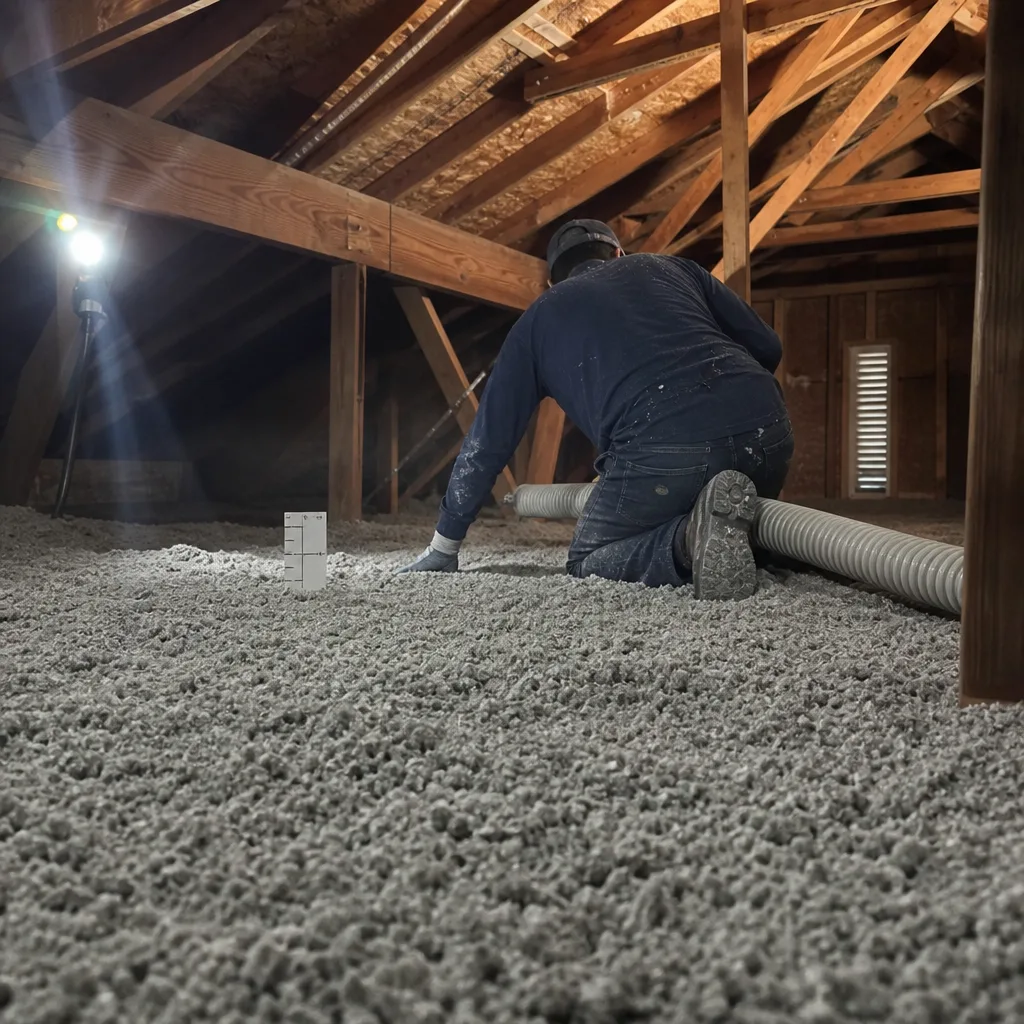
Blown-in fiberglass is the most common material we install in Calabasas attics with flat or moderately sloped ceilings. We use CertainTeed and other brands, blown to the R-value your home actually needs. For a Calabasas home built in the 1980s or 1990s, that’s typically R-38 to R-49. A 3,500 sq ft attic can usually be done in a single day. The material settles correctly when installed with the right density, which matters in large vaulted cavities where uneven coverage is a real problem.
Attic Insulation that’s blown properly will show even coverage across every bay, including the hard-to-reach corners behind mechanical equipment and over the garage.
Attic Batt Insulation
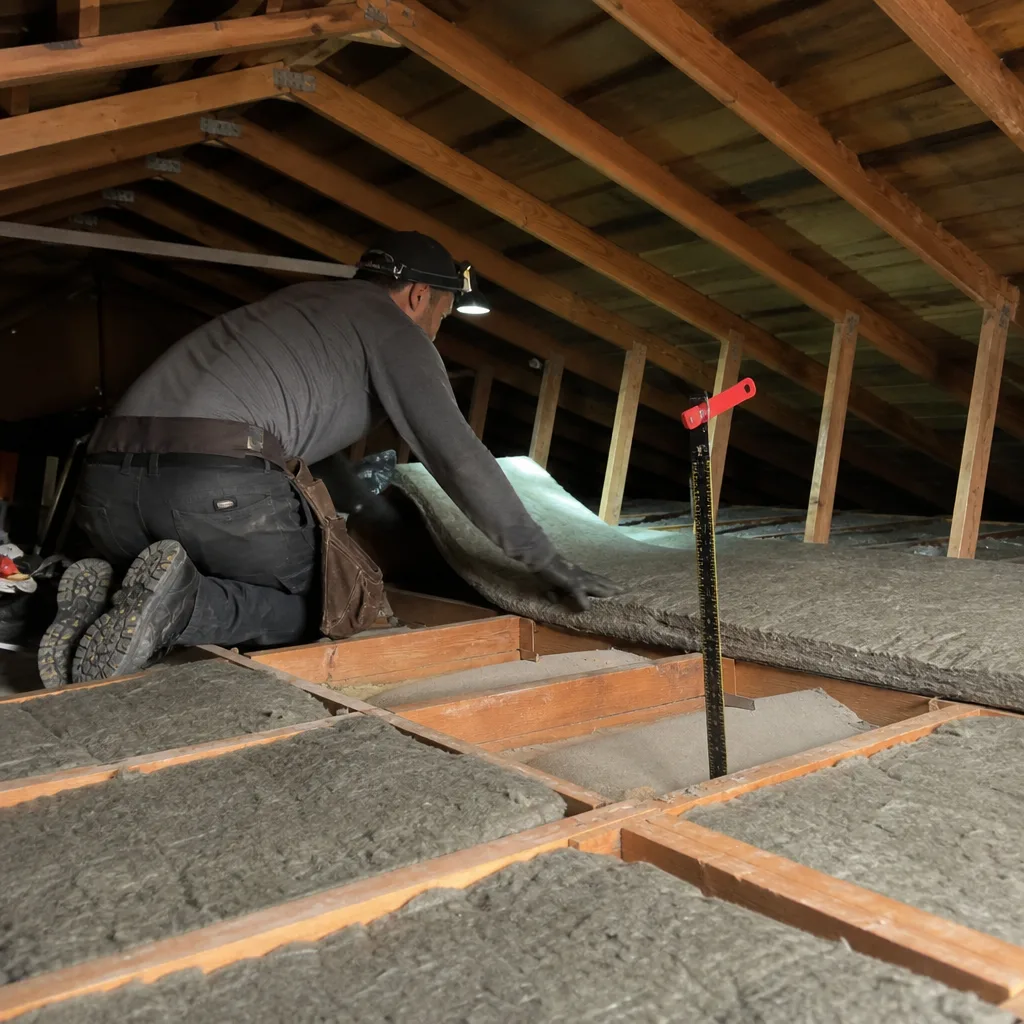
Batts work well in attics with accessible, regularly spaced joists (typically 16 or 24 inches on center). We install Rockwool mineral wool batts when the home needs both thermal performance and added fire resistance, which matters in Calabasas more than most places. Rockwool doesn’t burn and can withstand temperatures over 2,000°F. In a VHFHSZ community like Calabasas, that’s not marketing. That’s why the product exists.
Attic Insulation Top-Up
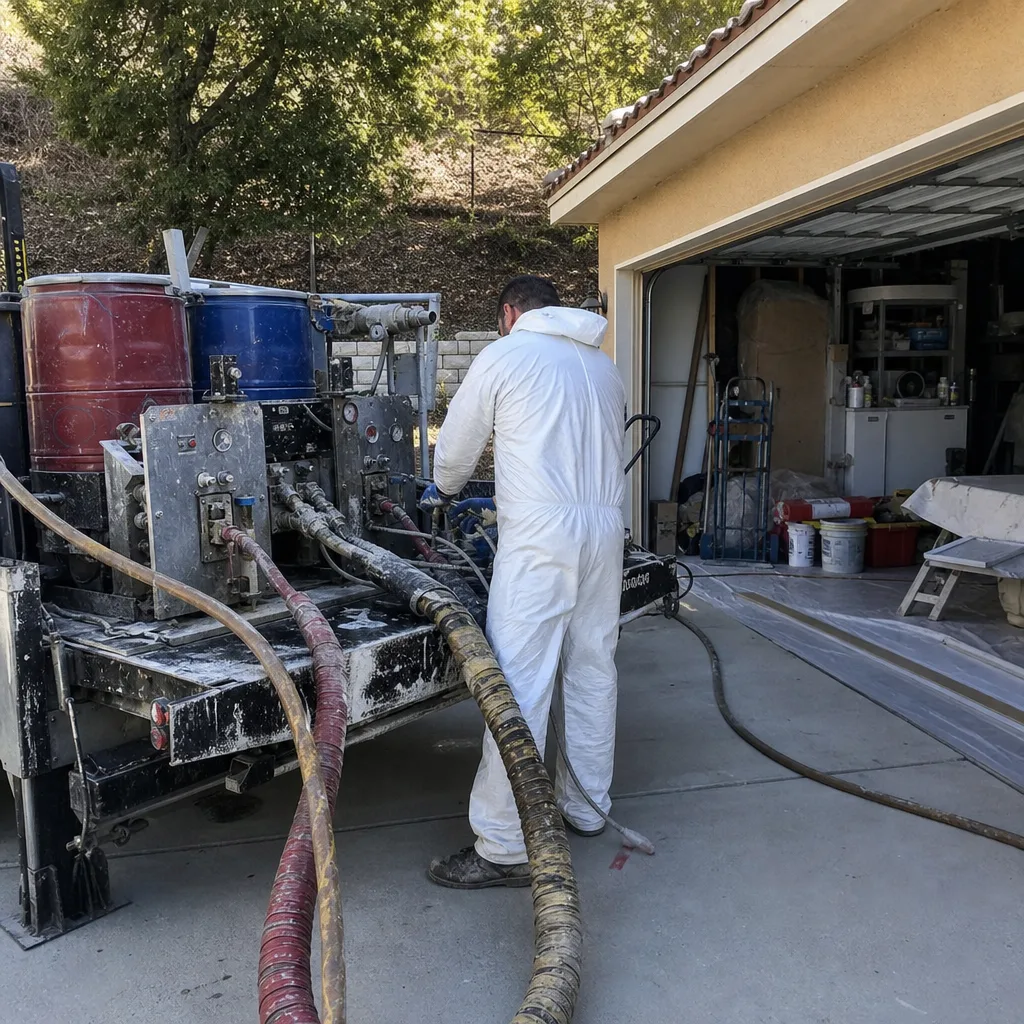
A top-up adds new blown-in insulation over existing material that’s still clean, dry, and functional but too thin. In Calabasas homes built before Title 24 tightened in the mid-2000s, R-19 or R-30 attic insulation is common. A top-up brings that to R-49 or higher without removing the old material. Saves money and works fine as long as we verify there’s no moisture damage or rodent activity underneath. But we always check first. Sometimes a top-up isn’t the right call.
Attic Insulation Replacement
Full replacement is for when the existing insulation is compromised: rodent droppings, moisture staining, matted fiberglass, or post-Woolsey smoke and ash infiltration. We remove everything down to the decking, clean the space, air-seal penetrations, and then install new material. Other contractors will install over compromised insulation. We won’t. Call (661) 669-8515 for a free assessment of what’s actually in your attic.
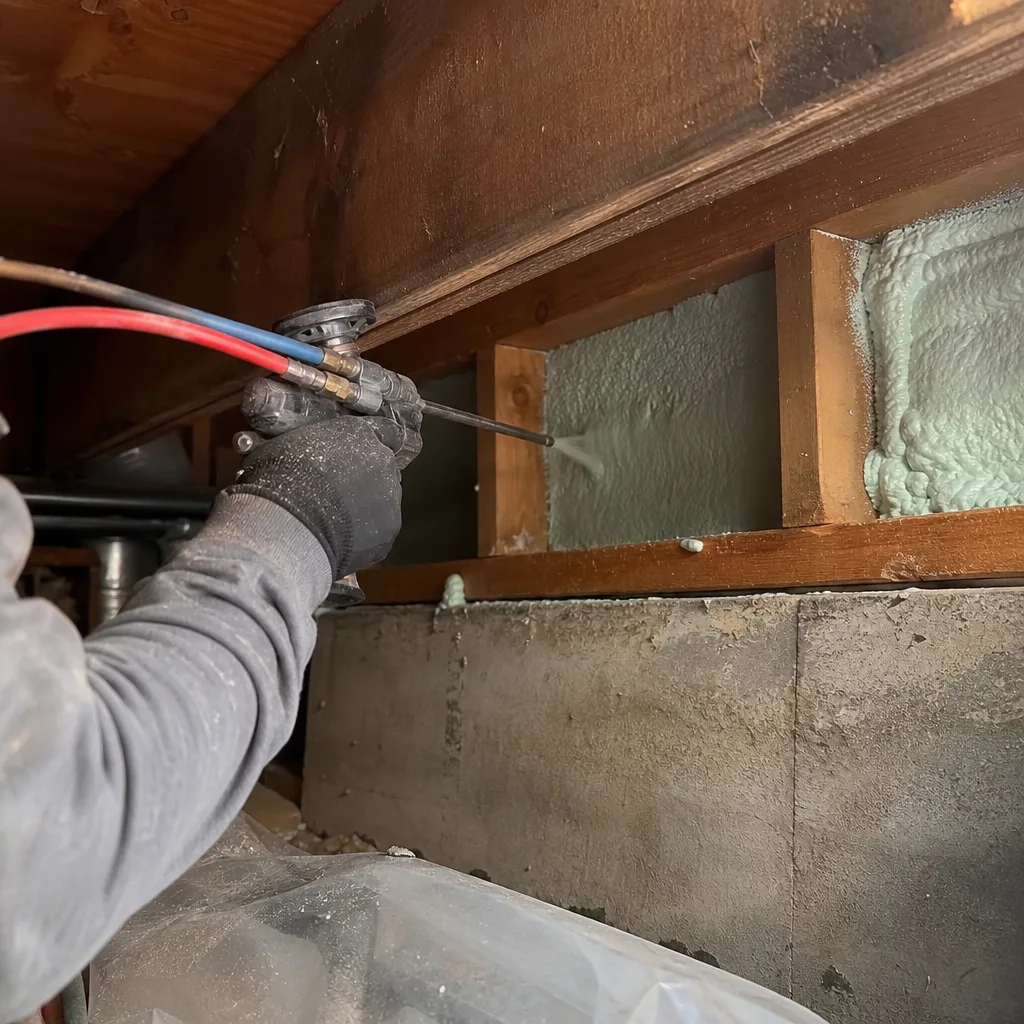
Attic Baffles & Ventilation Prep
Many Calabasas attics were built without proper baffles at the soffit vents, which blocks airflow from the eaves to the ridge. The result in summer is a hot, stagnant attic. The result during Santa Ana events is negative pressurization that pulls conditioned air out of the house. We install baffles before any insulation work so the ventilation system actually functions. In tile-roofed homes, this step is often skipped by crews that don’t understand how those roofs breathe, and the homeowners pay for it in cooling costs for years.
What happens when you call
- 1
A real person answersNo phone trees — you reach a local pro.
- 2
You get an upfront price rangeHonest numbers before anyone is dispatched.
- 3
A background-checked tech heads outLicensed & insured, dispatched right away.
- 4
You approve before work beginsNothing starts until you say go.
Trusted Brands We Service in Calabasas
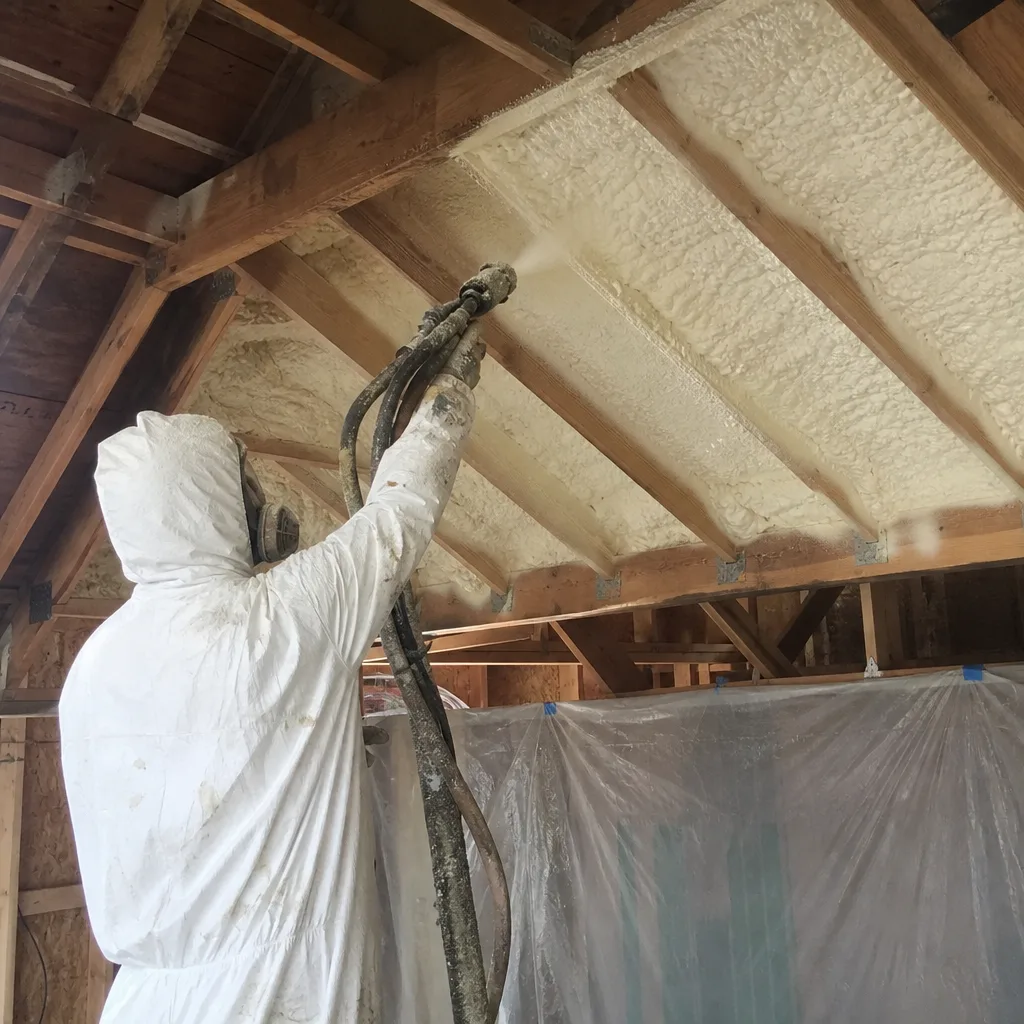
We’re authorized to install and specify eight insulation brands, and for Calabasas attics we most often reach for Rockwool, CertainTeed, and Icynene. That’s because Rockwool gives the best fire performance, CertainTeed blown-in fiberglass hits performance-per-dollar for standard cathedral and flat attic sections, and Icynene closed-cell spray foam delivers continuous insulation and air sealing in one pass, which is what post-Woolsey rebuilds typically call for. We keep these materials stocked for Calabasas jobs, not special-ordered, which is why we can turn around top-ups and replacements faster than crews that shop per project.
Common Attic Insulation Problems We See in Calabasas Homes
- Open-cell spray foam that failed 7A inspection. A lot of post-Woolsey rebuilds specified open-cell foam because it was cheaper. Then the inspector walks in and flags the missing 15-minute thermal barrier. $6,000 to $14,000 later, the homeowner has drywall or intumescent coating to pay for that the original insulation quote never mentioned.
- Uneven blown-in settling in vaulted cavities. Large custom ceilings with deep truss bays trap blown-in material unevenly. Some sections compact to R-11 while others read R-38. The 160°F attic air then radiates straight through. We see this in The Oaks and along Las Virgenes Road regularly.
- Missing or collapsed baffles in tile-roofed homes. Original builders often skipped baffles, assuming the tile would ventilate on its own. It doesn’t. Soffit vents get buried, airflow stops, and the attic becomes an oven. During Santa Ana winds, the whole system pressurizes and pushes conditioned air out through every unsealed penetration.
- Rodent-compromised insulation. Calabasas sits against open hillside. Rats move in, nest in the fiberglass, and leave insulation matted with droppings. New insulation over that is a waste of money. We remove, clean, rodent-proof, then reinstall. Calabasas homeowners looking at insulation often find a rodent problem they didn’t know they had.
Pricing for Attic Insulation in Calabasas, CA
Here’s what you can expect to pay in Calabasas for the most common attic insulation scopes:
- Blown-in top-up (R-19 to R-49), 3,000 sq ft attic: $1,200–$2,400
- Full blown-in replacement, 4,000 sq ft attic, including removal: $2,800–$5,500
- Rockwool batt installation, 2,000 sq ft attic: $2,400–$4,200
- Icynene closed-cell spray foam at roofline, 2,500 sq ft: $6,500–$11,000 (plus thermal barrier if required by Chapter 7A)
- Baffle installation and ventilation correction: $450–$1,400 depending on linear footage
Vaulted ceilings, deep truss bays, recessed-light sealing, and post-Woolsey inspection requirements all move the number. So does the condition of what’s currently up there. Rob will walk the attic with you, show you photos, and give you a written quote before any work starts. Estimates are free. Call (661) 669-8515.
We Also Serve Cities Near Calabasas
While this page is focused on Calabasas, we work throughout the surrounding area. You’ll find us in Agoura Hills, Beverly Hills, San Fernando, and Stevenson Ranch on a regular basis. If you’re just over the city line, the same team and the same pricing apply. Give us a call at (661) 669-8515.
Serving Calabasas, CA — Our Local Coverage Area
We’re based in the Calabasas area and know this community well. Use the map below to see our service coverage — if you’re nearby, we can almost certainly help.
FAQs — Attic Insulation in Calabasas
Yes. Calabasas sits in California’s Very High Fire Hazard Severity Zone, and Chapter 7A requires that any foam plastic insulation, including spray foam, be separated from living space by a prescriptive 15-minute thermal barrier. That means a layer of drywall or an intumescent coating. If a previous installer skipped this, it will fail inspection and need to be corrected. We know this requirement and budget for it before the first can of foam gets opened. Call (661) 669-8515 if you’re unsure whether your existing spray foam is compliant.
Calabasas sits in an inland valley sheltered from coastal airflow by the Santa Monica Mountains. Summer afternoons here run 15 to 20 degrees hotter than Malibu on the same day, and attic air in under-insulated homes can hit 160°F. Woodland Hills gets hot too, but Calabasas’s mountain bowl effect and dense concentration of large custom homes with oversized attic volumes push heat gain past what those neighboring cities typically see. That’s why we recommend high-R blown-in or Rockwool rather than minimum-code batt coverage in most Calabasas attics.
If your home was damaged or rebuilt after the Woolsey Fire and the attic was left partially untouched, you should absolutely have the existing blown-in inspected. Smoke and ash penetrate fiberglass in ways that aren’t visible from the hatch. Fine particulate settles deep into the material and keeps off-gassing for years. Post-rebuild, we recommend full removal of any insulation that predates 2018 (or any product you can’t confirm was installed new after the fire), followed by air sealing and fresh blown-in to current Title 24 requirements. Call (661) 669-8515 and Rob will inspect what’s up there.
Santa Anas pressurize the attic space from the outside, and any unsealed penetration, such as a recessed light housing, a top plate, or an attic hatch, becomes a pathway that pushes hot or cold air into the living space. In Calabasas homes with vaulted, open-plenum ceilings, this is particularly bad because the attic and the living space often share the same air channels. Proper air sealing around every penetration, plus correctly installed baffles at the soffit, stops wind-driven infiltration before insulation even comes into the equation.
Post-Woolsey rebuilds under current Title 24 code generally need compliance via the prescriptive or performance path. In Calabasas’s VHFHSZ, continuous insulation at the roofline, typically closed-cell spray foam, is often the easiest route because it combines the required R-value with ignition-resistant construction requirements. But it’s not automatic. Some architects still specify traditional vented attics with blown-in at the ceiling plane. What the home needs depends on the design, the assembly, and the inspector. We review the plans and recommend the right material for the specific house, not a default product. Call (661) 669-8515 for an attic assessment.
Written by Rob Callahan, Owner at Evergreen Insulation Santa Clarita, serving Calabasas and the surrounding foothill communities.